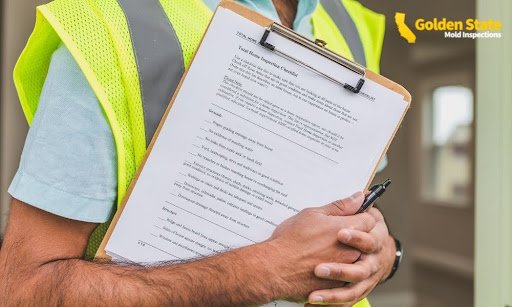
Many property owners in Los Angeles confuse mold inspection with mold remediation, or assume one company should handle both. These are two entirely separate roles with different tools, different outputs, and a conflict of interest when combined. Mold inspectors in Los Angeles assess what is present, where it is coming from, and what needs to happen next. Remediators carry out the physical removal work. Understanding where one role ends and the other begins protects you from inflated scopes, unnecessary work, and incomplete fixes that allow mold to return.
Contents
- 1 What a Mold Inspector Actually Does
- 2 What a Mold Remediator Actually Does
- 3 Why Separation Between the Two Roles Matters
- 4 The Scope of Work Is the Critical Handoff Document
- 5 Credentials: What Each Role Requires
- 6 What Happens When a Remediator Does Their Own Clearance
- 7 How to Sequence the Process Correctly
- 8 When You Need an Inspector but Not a Remediator
- 9 Choosing the Right Inspector for Your Property
What a Mold Inspector Actually Does
A mold inspector’s job is to gather objective data about a property. At Golden State Mold Inspections, the inspection process begins with a visual walkthrough using sight and smell to identify signs of moisture intrusion. A calibrated moisture meter measures moisture levels inside wall materials, flooring, and ceilings without requiring destructive access.
If moisture intrusion is detected, the inspector looks deeper for microbial growth. When mold is found or suspected, air or surface samples are collected and sent to an accredited laboratory. The lab identifies the mold species and its toxicity level. The inspector then produces a written report that includes photographs, moisture readings, lab results, and a scope of work. That scope of work is the remediation roadmap, not a sales pitch.
What a Mold Remediator Actually Does
A mold remediator executes the physical removal process following the scope of work produced by the inspector. Their job involves containment, removal, disposal, and treatment of affected materials. Certified remediators follow established protocols to prevent cross-contamination during the removal process.
Containment typically uses polyethylene barriers and negative air pressure to isolate the work area. Affected porous materials such as drywall or insulation are removed and bagged. Non-porous surfaces are cleaned using HEPA vacuums and antimicrobial agents. After work is complete, a post-remediation clearance inspection must be performed by an independent mold inspector, not the remediator, to confirm the area is clean. Golden State Mold Inspections provides both pre-remediation and post-remediation assessments for this purpose.
Why Separation Between the Two Roles Matters
When the same company inspects and remediates, a structural conflict of interest exists. The inspector’s findings directly determine the size of the remediation job, and therefore the company’s revenue. This creates a financial incentive to identify more mold, broader contamination, and more extensive work than may actually be present.
Mold inspectors in Los Angeles who operate independently of remediation services have no reason to inflate findings. Their fee is fixed regardless of what they find. Golden State Mold Inspections has operated on this model since 2010, performing inspections only with no construction, removal, or repair work. Their Mold Cert #CRM10000011044 reflects a credentialed operation whose sole product is accurate, unbiased data.
The Scope of Work Is the Critical Handoff Document
The scope of work is what connects the inspector’s findings to the remediator’s actions. It specifies which materials need removal, what containment protocols apply, what cleaning methods are appropriate for the surfaces involved, and what conditions must be met before the space is cleared for re-occupancy.
Without a scope of work from an independent mold inspector in Los Angeles, a remediator is essentially self-directing the job. That creates the same conflict of interest problem from the other direction: a remediator without an external scope may do less than necessary, or bill for work that was not required. A properly written scope keeps the remediator accountable to objective findings rather than their own estimate.
Credentials: What Each Role Requires
California does not require a state-issued license to perform mold inspections or remediation, but industry credentials are meaningful differentiators. For inspectors, recognized designations include the Council-certified Microbial Consultant (CMC) and Council-certified Indoor Environmentalist (CIE) from the American Council for Accredited Certification (ACAC).
For remediators, the Institute of Inspection Cleaning and Restoration Certification (IICRC) offers the Applied Microbial Remediation Technician (AMRT) credential. The IICRC’s S520 Standard for Professional Mold Remediation defines the protocols certified remediators are trained to follow. When hiring either role, asking for specific credential numbers, not just a claim of certification, is the most reliable way to verify qualifications.
What Happens When a Remediator Does Their Own Clearance
Clearance testing is a post-remediation inspection that confirms mold levels have returned to acceptable ranges before the containment is removed and the space is reopened. This step requires air sampling and a visual inspection of the remediated area.
When the remediator performs their own clearance, the same conflict of interest applies as with combined inspection and remediation. A failed clearance means more work and more cost. An independent mold inspector in Los Angeles performing the clearance has no financial stake in the outcome. Golden State Mold Inspections notes that non-certified contractors and handymen account for nearly all failed clearance inspections, typically because the root moisture source was not addressed alongside the visible mold growth.
How to Sequence the Process Correctly
The correct order of operations for any mold situation is:
- Independent inspection identifies mold type, location, and moisture source
- Inspector produces a scope of work based on findings
- Certified remediator follows the scope to remove and treat affected areas
- Independent inspector returns for clearance testing
- Clearance report confirms the space is safe for re-occupancy
Skipping the independent inspection and going straight to a remediation company collapses steps one and two into a single, conflicted process. Skipping the independent clearance removes the only external verification that the work was done correctly.
When You Need an Inspector but Not a Remediator
Not every inspection finding requires remediation. Mold inspectors in Los Angeles regularly find minor surface mold on grout, caulk, or window frames that can be addressed with routine cleaning rather than professional removal. They also find moisture readings that indicate a water problem without any active mold growth, meaning the moisture source needs repair but no remediation scope is necessary yet.
An inspection-only company has no incentive to recommend remediation when it is not warranted. That honest assessment can save a property owner hundreds or thousands of dollars. The inspection report documents the current condition of the property regardless of whether mold remediation follows.
Choosing the Right Inspector for Your Property
Golden State Mold Inspections serves Los Angeles County, Orange County, and Ventura County. Their mold inspection services include visual assessments, moisture mapping, air and surface sampling, detailed written reports, and clearance inspections after remediation. They do not perform remediation work of any kind.
Call (310) 525-0619 to schedule an inspection or get a quote based on your property size and location. Whether you are a homeowner, tenant, landlord, or real estate professional, using a certified inspection-only company is the most reliable way to get findings you can act on with confidence.